
The country is small. The regions are not the same.
Each region solves a different problem: team, logistics, family, school, cost, pace of life. There is no best region. There is the one that meets what weighs most for you.
Mark what weighs on your decision.
You see which regions have the most affinity with your priorities. It is an initial reading by the team, not a ranking. The numbers for each region are on the cards, with source and date. The dossier brings the current data for your case.
Mark what weighs on your decisionSchematic map, not to scale. Tap a point to open the region.
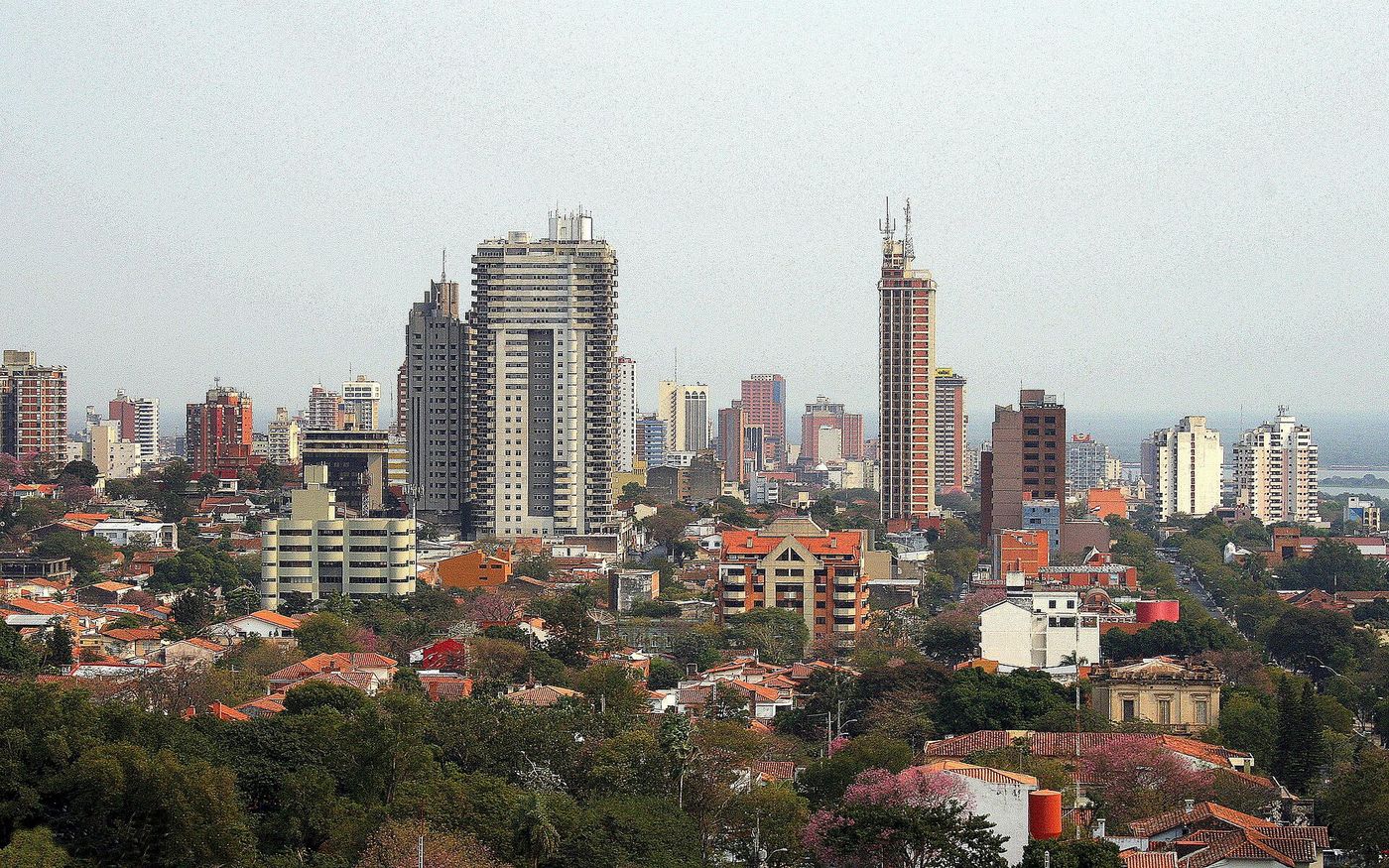
The capital and the metropolitan area around it. Where the government, the banks, the international airport and the largest concentration of services and skilled people are.
In numbers
- 2.35 million inhabitants: Asunción 462,241 and Central 1,883,927. (INE, 2022 Census)
- Central accounts for 28.5% of national GDP and Asunción for 17.1%. (BCP, 2021 to 2023 average, via ABC)
- Central concentrates 44.2% of the country's industrial value added and 31.0% of its services. (BCP, 2023, via La Nación)
- 36% of approved maquila programs are here: Central 28% and Capital 8%. (MIC, cumulative to Jul 2026)
- Silvio Pettirossi airport, in Luque, is the only one with scheduled flights: 1,051,761 passengers from January to September 2026. (DINAC)
- For Brazil, the July 2026 schedule had 21 flights a week to Guarulhos, 3 to Rio and 2 to Brasília. (Aviacionline, Jul 2026)
- International schools with a verified website: American School of Asunción and Colegio Goethe. (school websites)
- 7,129 people born in Brazil live in the region. (INE, 2022 Census)
- 181,543 of 562,282 students (32.3%) attended private or subsidized private schools in 2023. In 2018 there were 836 private and 305 subsidized institutions. (MEC, open data (2023 enrollment; 2018 institutions))
What it usually solves
- A broader labor pool, from operations to management
- Banks, lawyers, accountants and public agencies nearby
- Bilingual and international schools, hospitals and services for the family
- International airport and connections to Brazil
Who it usually makes sense for
Service, commerce, technology and industrial companies that depend on a skilled team and on proximity to agencies. Families who want full urban infrastructure.
Points of attention
- Land and industrial property tend to be more contested than in the interior
- Traffic and housing cost in the most sought-after neighborhoods
- Infrastructure varies from one industrial hub to another
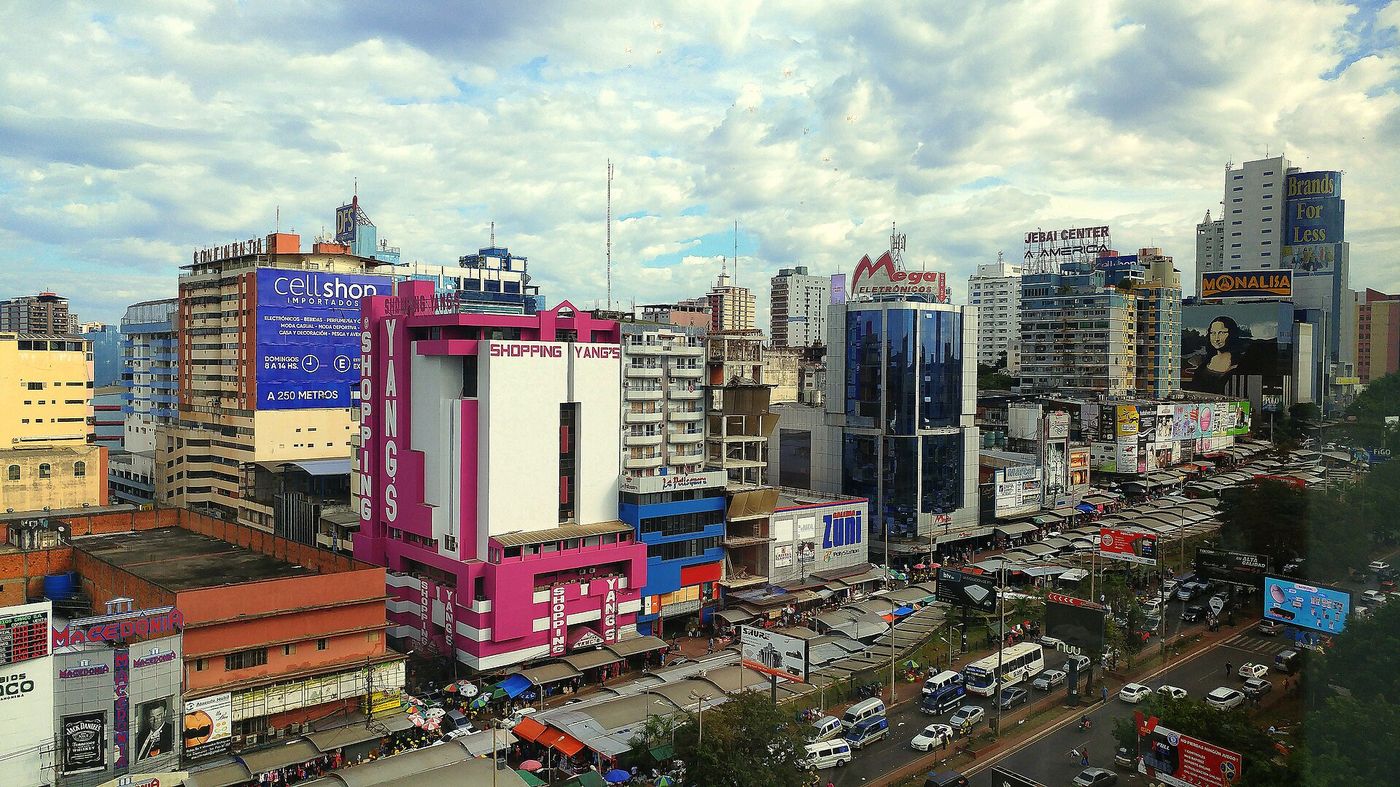
Border with Foz do Iguaçu, across the Friendship Bridge. A hub of commerce and logistics, with the country's largest community of Brazilians and Itaipú next door.
In numbers
- 763,702 inhabitants: Ciudad del Este 325,819, Presidente Franco 88,744, Hernandarias 83,285 and Minga Guazú 81,072. (INE, 2022 Census)
- 15.4% of national GDP, and 2nd place in industry (11.7% of the country's value added). (BCP, 2021 to 2023, via ABC and La Nación)
- 48% of the country's approved maquila programs. Parks: ALGESA and Iruña (Ciudad del Este), Santa Mónica (Hernandarias) and Parque Taiwán-Paraguay (Minga Guazú). (MIC, Jul 2026; IP Paraguay, 18 Feb 2025)
- 24,670 people born in Brazil (3.41% of residents), the country's largest community by that measure. (INE, 2022 Census)
- Two links with Foz do Iguaçu: the Friendship Bridge and the Integration Bridge, opened in December 2025 and in gradual use in 2026. (SENATUR; La Nación; Mercopress)
- Itaipú: 14,000 MW. In December 2025, it accounted for 85% of the country's electricity supply. (La Nación; MOPC)
- Ciudad del Este is 327 km from Asunción by road. (Municipalidad de Ciudad del Este)
- Guaraní airport, in Minga Guazú, has only non-scheduled flights. Flights to Brazil leave from Asunción. (DINAC, Jan to Sep 2026)
- 39,033 of 205,968 students (19.0%) attended private or subsidized private schools in 2023. In 2018 there were 280 private and 53 subsidized institutions. (MEC, open data (2023 enrollment; 2018 institutions))
What it usually solves
- Proximity to Brazil for those who operate on both sides
- Logistics and commerce already organized
- A large Brazilian community and Portuguese spoken day to day
- Access to the country's hydroelectric power
Who it usually makes sense for
Operations that mix Brazil and Paraguay: logistics, import and export, light industry and commerce. People who want to stay close to family in Brazil.
Points of attention
- An intense border: it calls for care in choosing partners and providers
- For families, compare schools and services with those of the capital, case by case
- A very particular commercial dynamic
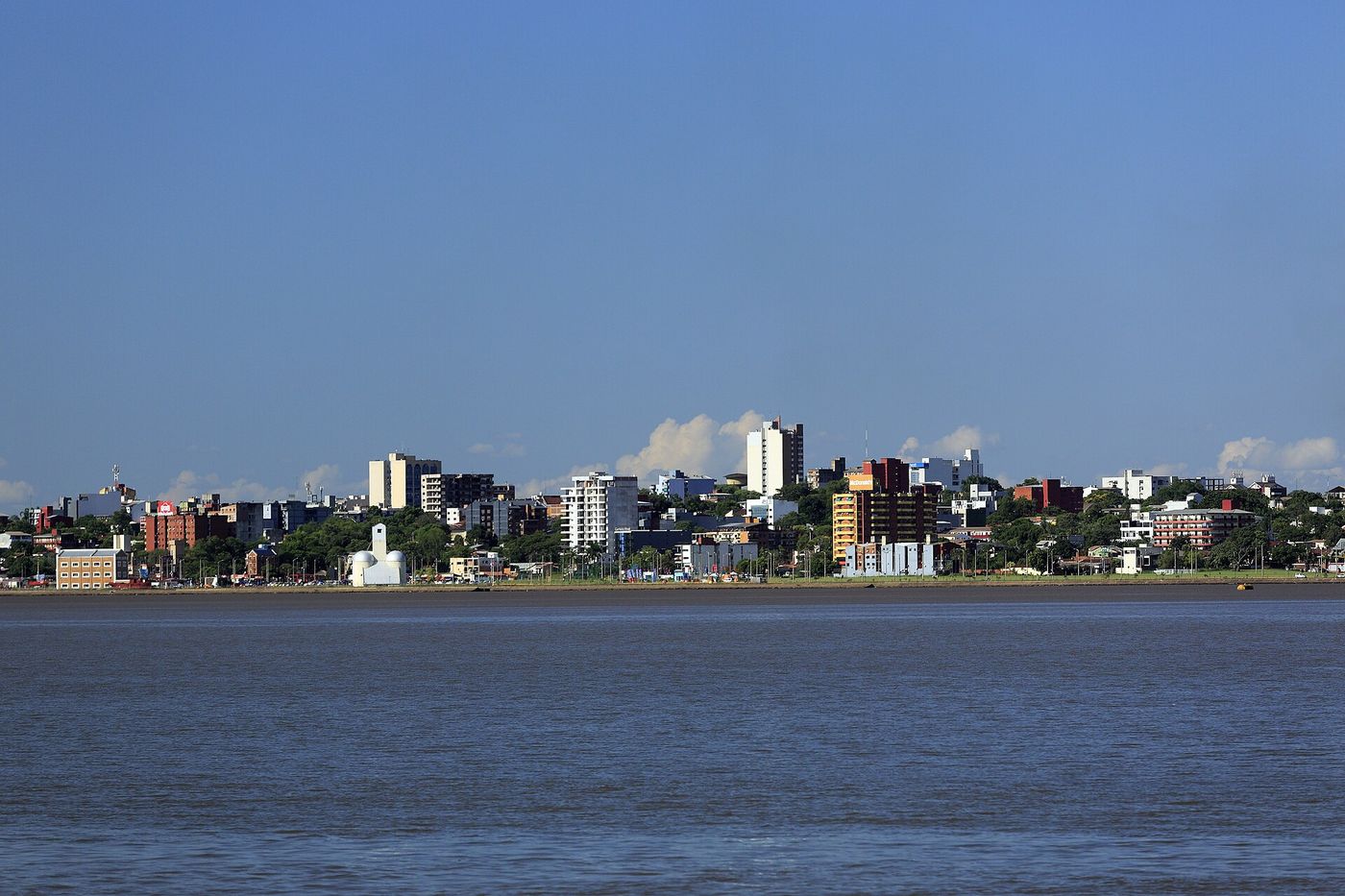
South of the country, on the bank of the Paraná River, facing Posadas, in Argentina. Encarnación has a developed waterfront and a calmer pace. Around it, immigrant colonies and strong agriculture.
In numbers
- 449,642 inhabitants: Encarnación 106,842, Cambyretá 47,717, Obligado 13,606 and Hohenau 12,809. (INE, 2022 Census)
- 6.4% of national GDP, with soy and agribusiness. It grew 10.3% in 2023. (BCP, 2021 to 2023, via ABC)
- The border is with Argentina, across a bridge between Encarnación and Posadas. Itapúa does not border Brazil. (La Nación, 2025)
- 2,453 people born in Brazil (0.55%). The largest foreign-born colony is the Argentine one, with 9,282. (INE, 2022 Census)
- Yacyretá, a binational plant on the Paraná River, accounted for 12% of the country's electricity supply in December 2025. (MOPC)
- Encarnación is between 365 and 382 km from Asunción, depending on the source and the measuring point. (ANNP; Gobernación de Itapúa; MOPC map)
- No scheduled flights in 2026. (DINAC)
- Private hospitals (sanatorios) verified on site: La Trinidad and Tajy (Encarnación) and Adventista (Hohenau). There is also the Hospital Regional de Encarnación. (Poder Judicial, 23 Sep 2025; INS)
- 18,843 of 110,996 students (17.0%) attended private or subsidized private schools in 2023. In 2018 there were 111 private and 48 subsidized institutions. (MEC, open data (2023 enrollment; 2018 institutions))
What it usually solves
- Quality of life in an orderly mid-sized city
- Agribusiness and the farm supply chain nearby
- Active tourism and real estate market around the waterfront
Who it usually makes sense for
Families who put quality of life first, and operations tied to agriculture, agro-processing and local services.
Points of attention
- Smaller domestic market and specialized labor pool
- Distance from the capital for larger agencies and banks
- Logistics to Brazil follows other routes
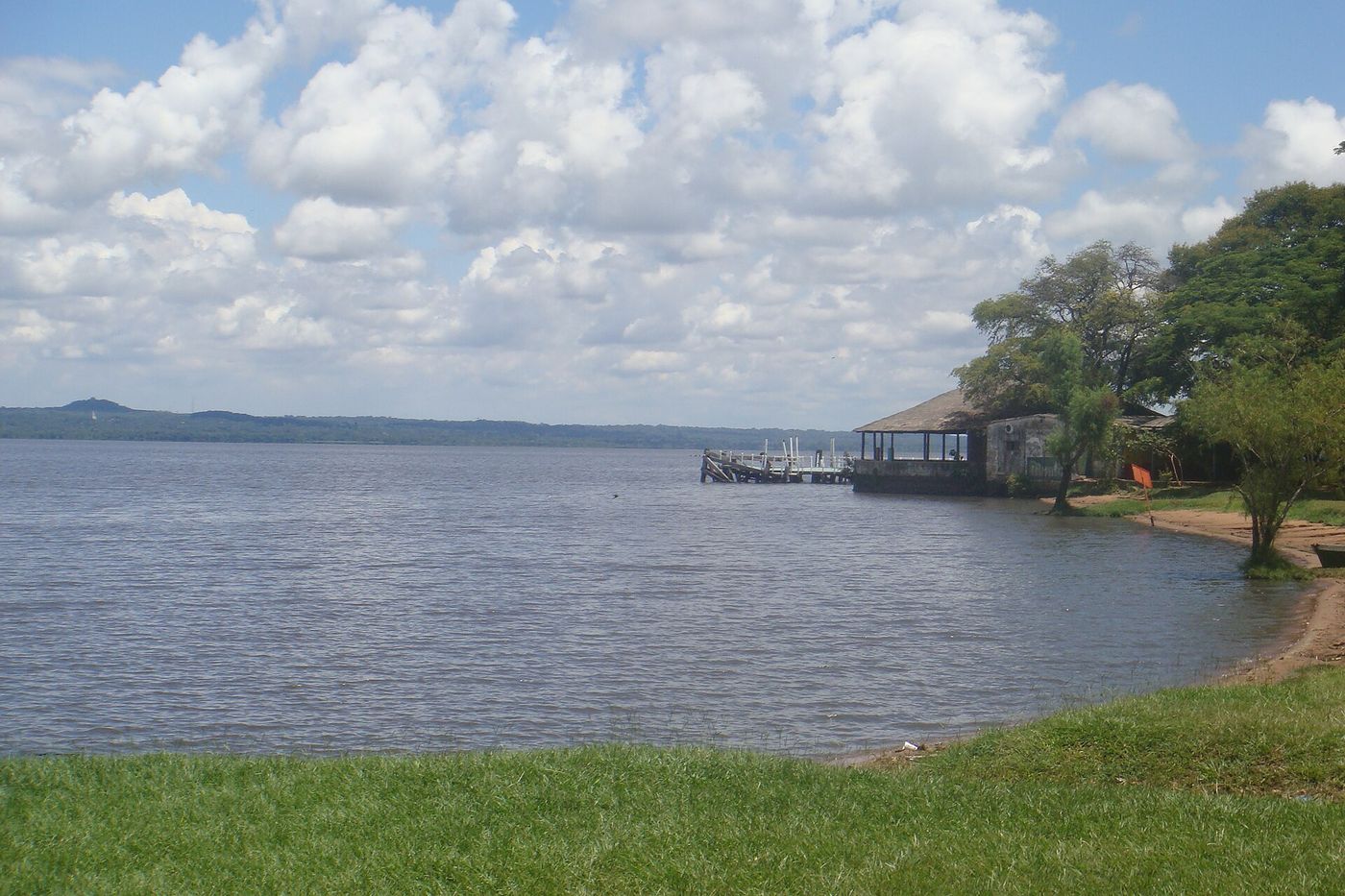
A region of lake and hills a short distance from Asunción. Historically a weekend retreat and a home for people who want nature without leaving the capital's reach.
In numbers
- 268,037 inhabitants in Cordillera. Areguá (70,298) and Ypacaraí (21,030) are in Central but belong to the same lake region. (INE, 2022 Census)
- The department is not among those that exceed 5% of GDP, nor among the industrial or agricultural hubs. (BCP, 2021 to 2023, via ABC)
- None of the 8 industrial parks on the MIC list is here. (MIC, consulted on 22 Nov 2026)
- San Bernardino is about 48 km from Asunción. Other sources give 50 and 54 km. (Sygic, travel guide)
- 216 people born in Brazil (0.08% of residents). (INE, 2022 Census)
- Hospital Regional de Caacupé and Centro Médico Cordillerano. (INS; Poder Judicial, 23 Sep 2025)
- 6,480 of 63,802 students (10.2%) attended private or subsidized private schools in 2023. In 2018 there were 45 private and 30 subsidized institutions. (MEC, open data (2023 enrollment; 2018 institutions))
What it usually solves
- Housing with nature and access to the capital
- Tourism and hospitality
- Team retreats and corporate events
Who it usually makes sense for
Families who want to live outside the center and work in the capital, and tourism, wellness and service businesses.
Points of attention
- Little industrial vocation
- Seasonality in part of the tourism
- Infrastructure varies from one town to another
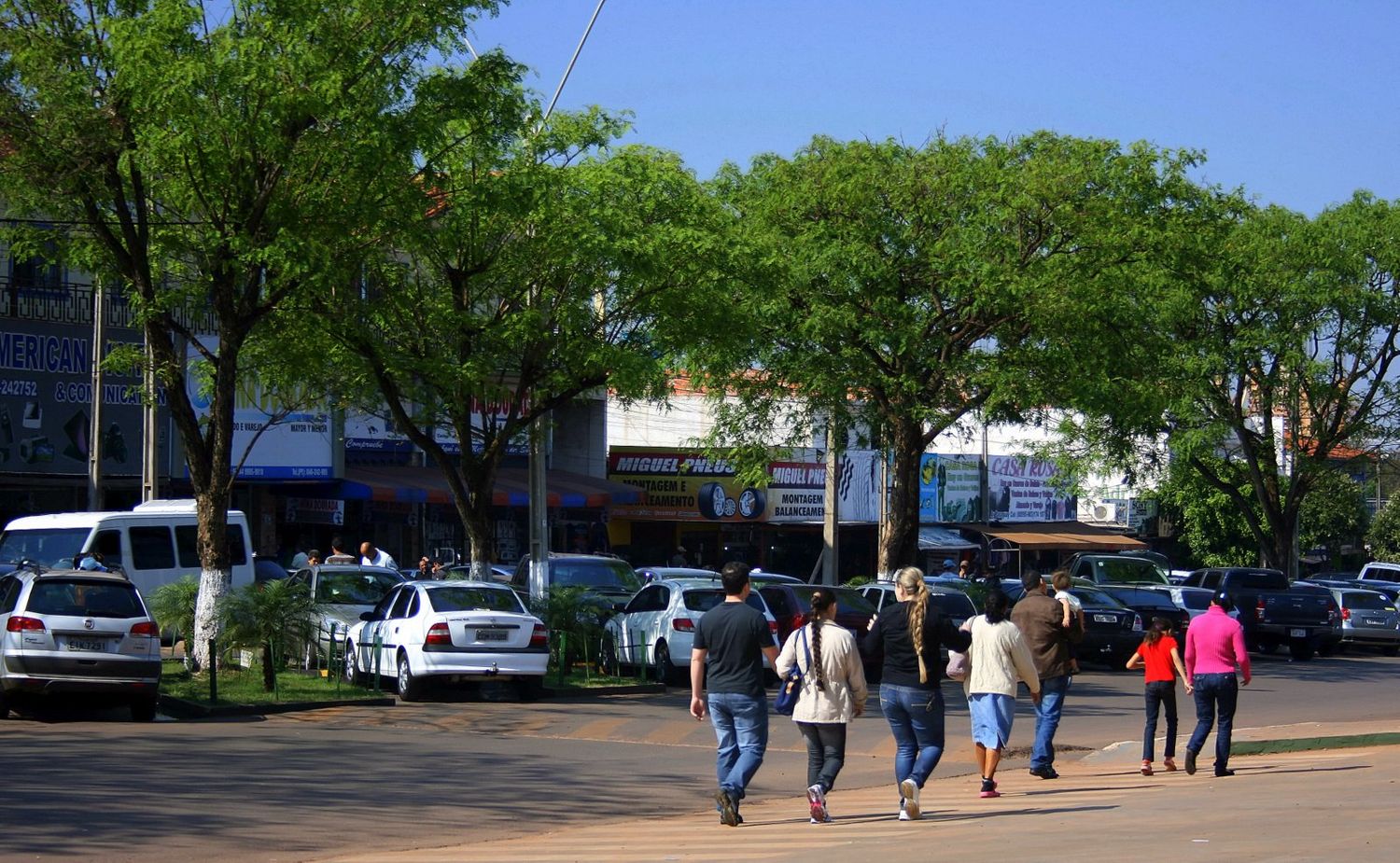
A dry border with Mato Grosso do Sul, at Pedro Juan Caballero (Ponta Porã), and a border with Brazil also at Salto del Guairá. A region of border commerce and agribusiness, with many Brazilians.
In numbers
- 370,526 inhabitants: Amambay 179,412 and Canindeyú 191,114. Pedro Juan Caballero has 127,437, the 7th city in the country. (INE, 2022 Census)
- Amambay and Canindeyú are among the 6 departments that concentrate more than 80% of agricultural and livestock value added. (BCP, 2023, via ABC)
- Amambay has 6% of the country's approved maquila programs. (MIC, Jul 2026)
- 12,207 people born in Brazil: 3.25% of residents in Amambay and 3.63% in Canindeyú. (INE, 2022 Census)
- Pedro Juan Caballero and Ponta Porã (MS) are twin cities on a dry border, with no river between them. (press and academic studies, 2026)
- No scheduled commercial flights: Pedro Juan Caballero airport had 393 passengers on non-scheduled flights from January to September 2026. (DINAC)
- Ruta 3 links Asunción to Salto del Guairá, between 407 and 415 km. Pedro Juan Caballero is about 443 km from Asunción. (Última Hora; Wikipedia; ruta0 (secondary sources))
- Hospital Regional de Pedro Juan Caballero. (INS, 2025)
- 10,421 of 92,159 students (11.3%) attended private or subsidized private schools in 2023. In 2018 there were 67 private and 14 subsidized institutions. (MEC, open data (2023 enrollment; 2018 institutions))
What it usually solves
- Proximity to Brazil for those who operate in agribusiness
- Agribusiness and input supply chain already in place
- Language and culture close to Brazilians'
Who it usually makes sense for
Producers and companies in agribusiness, inputs and rural logistics.
Points of attention
- It is the region that calls for the most care with the surroundings and with security
- More limited urban services and schools
- Choosing partners calls for extra care
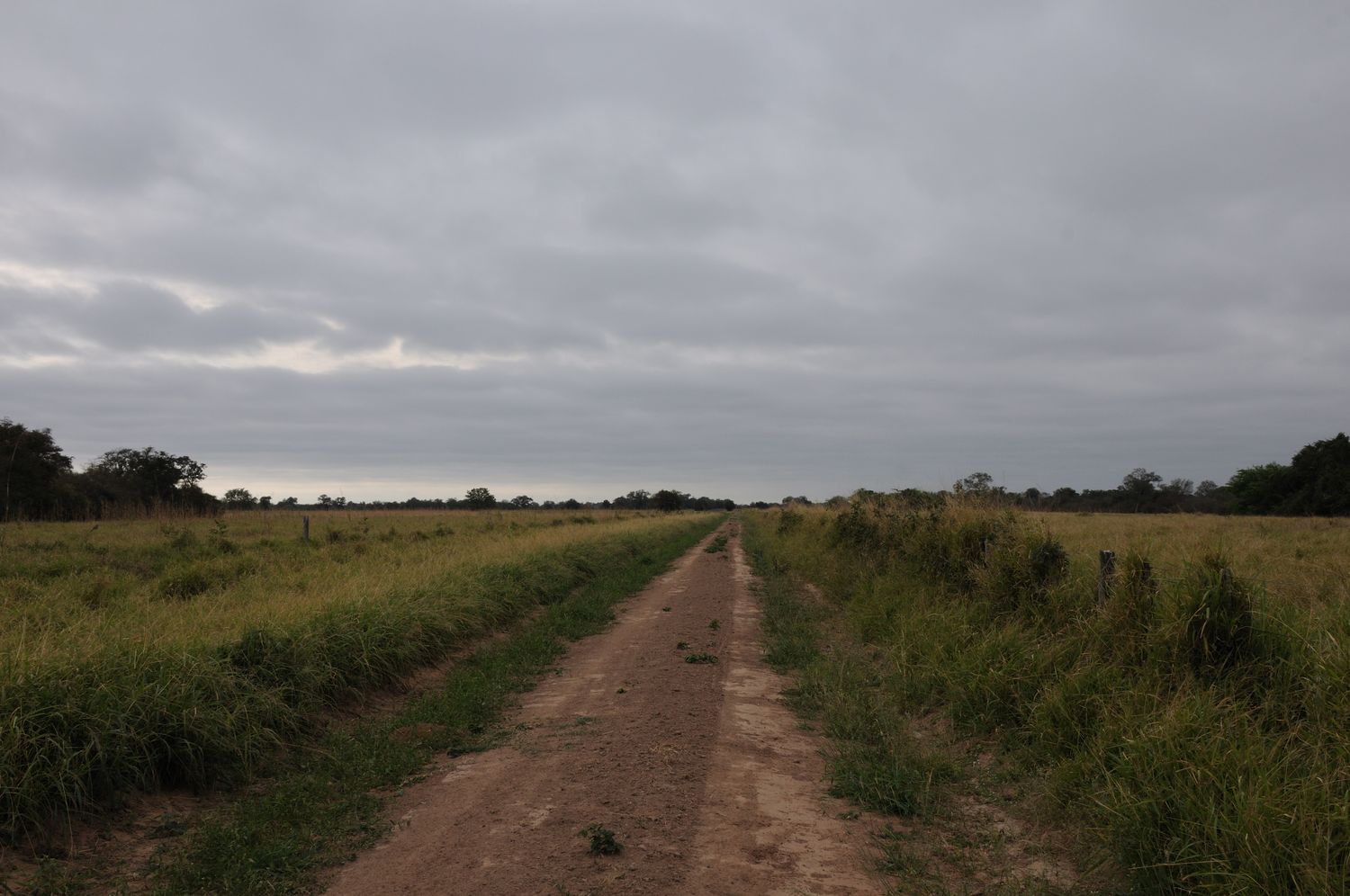
Most of the territory, with few people. Large-scale cattle ranching, immigrant colonies and, near Asunción, industrial and port hubs on the Villa Hayes riverbank.
In numbers
- 211,586 inhabitants: Presidente Hayes 123,313, Boquerón 71,078 and Alto Paraguay 17,195. (INE, 2022 Census)
- Boquerón lives off Mennonite cooperatives (Fernheim, Chortitzer and Neuland), with milk, meat and feed. (La Nación, 2026)
- Villa Hayes, about 30 km from Asunción, has a cement plant (750,000 t a year) and a meatpacking plant. The TOSA industrial park is in Nueva Asunción, in Presidente Hayes. (La Nación, 13 Dec 2025; MIC)
- Filadelfia is 443 km from Asunción via the Transchaco. Boquerón's climate is semiarid, with about 800 mm of rain a year. (SENATUR, 2022)
- The economy swings: in 2023, Presidente Hayes shrank 12.4% and Alto Paraguay 10.4%. (BCP, via ABC)
- The Bioceanic Bridge, from Carmelo Peralta to Porto Murtinho (MS), is 1,294 m long and was in its finishing stage on 14 Oct 2026. There is no official opening date. The PY15 highway runs 532 km in Paraguay, and the IDB approved US$ 200 million for sections of the corridor in the Chaco. (MOPC, 14 Oct 2026; IDB via La República, 14 Feb 2026)
- 563 people born in Brazil across the three departments. (INE, 2022 Census)
- 15,937 of 52,454 students (30.4%) attended private or subsidized private schools in 2023. In 2018 there were 38 private and 49 subsidized institutions. (MEC, open data (2023 enrollment; 2018 institutions))
What it usually solves
- Large-scale beef cattle ranching
- Wide areas of land
- Industrial hubs and ports next to the capital, across the river
- Bioceanic corridor: logistics and business tied to the future route to the Pacific, once the bridge opens
Who it usually makes sense for
Cattle ranching and large-area projects. Industry that needs a river port near the capital.
Points of attention
- Extreme climate and limited access in parts
- Little urban infrastructure for families in the deep interior
- Dependence on long routes
- The bioceanic bridge still has no opening date, and power for large industry depends on a 220 kV line under construction
The affinity reading is qualitative and done by the Scout team. The numbers for each region come from official bodies or from the press citing official bodies, always with source and date alongside. They do not replace the comparison for your case, which uses current data on labor, logistics, property cost and services for each finalist region.
Sources for this page
- INE, 2022 Census (population and foreign-born)
- MIC, statistical report on the maquila regime, July 2026
- MIC, industrial parks
- DINAC, air traffic, Jan to Sep 2026
- SENATUR, tourism plans by region
- MOPC, electrical system report, Dec 2025
- BCP, regional GDP 2021 to 2023 (via ABC Color)
- BCP, regional GDP 2021 to 2023 (via La Nación)
- Poder Judicial, verified health care providers, 23 Sep 2025
- Bioceanic Bridge, construction progress (MOPC via Última Hora)
Data consulted on 22 Nov 2026. When the source is the press citing an official body, that appears next to the number. Numbers change: the dossier brings the current version for your case.
How Scout chooses the region with you.
First, what weighs
Team, logistics, family, school, energy, property cost. You rank them, and the conversation starts from there.
Then the finalists
We narrow it to two or three regions and visit them with you. We hear from those already there, including what did not work out.
Only then the property
Land and property come after the region, with compared options and any commission or interest declared to you.
Don't know which region suits you?
Tell us your case. We build the comparison of regions with your priorities and the current data.